
Biochar Overview and Methodology Comparison
This article is an automatically translated version of the original Japanese article. Please refer to the Japanese version for the most accurate information.
This is a newsletter from Sustainacraft Inc.
Methodology Updates is a series covering carbon and biodiversity credit methodologies. In this issue, we will introduce biochar projects.
Biochar is a type of Carbon Dioxide Removal (CDR) based on biomass. While relatively new to the carbon market, it is gaining attention due to its high Permanence and measurability. This article will first provide an overview of biochar, then compare the three major registries offering biochar Methodologies—Puro.Earth, Verra, and Isometric—with a particular focus on the quantification of Permanence.
Overview of Biochar
What is Biochar?
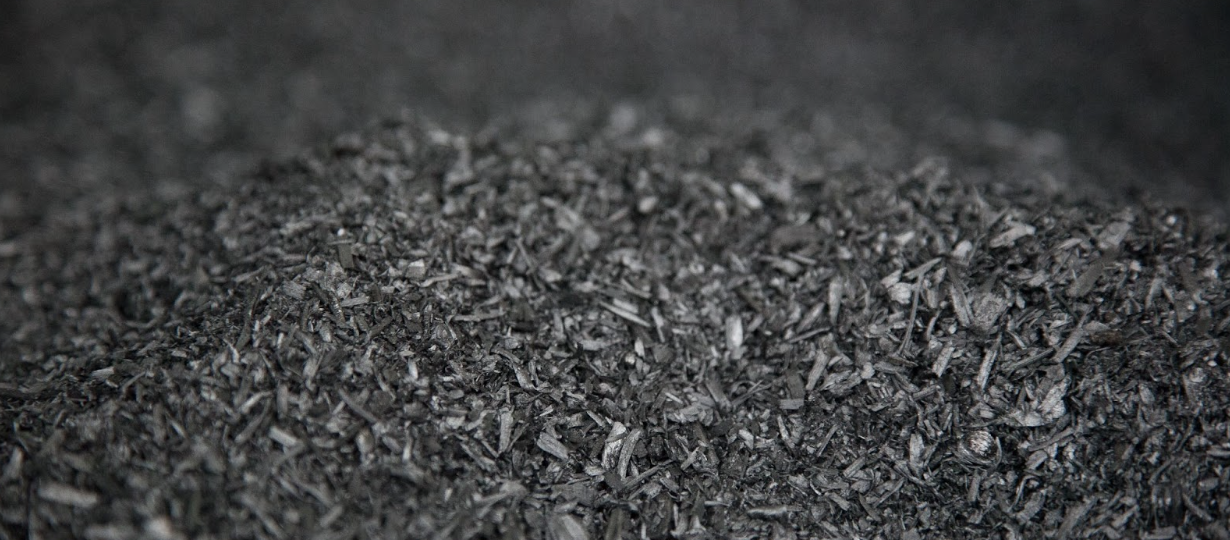
Biochar is a type of carbon Removal project that converts biomass such as agricultural residues, wood waste, and animal manure into a stable, carbon-rich substance through a process called pyrolysis, and then stores it. Generally, by heating biomass in a low-oxygen environment, complete combustion of the biomass is prevented, and instead, much of its carbon is converted into a decomposition-resistant solid form. Typically, in the Baseline scenario, biomass would decompose or be incinerated in fields, in both cases releasing stored carbon into the atmosphere. In the project scenario, however, a portion of this carbon is sequestered as biochar, and the difference is issued as Credits.
As a CDR method, biochar is valued for its ability to sequester atmospheric carbon in a durable form. The resulting substance is highly stable, typically having a carbon content exceeding 70%, and can persist in soil for hundreds to thousands of years. In addition to its stability, biochar's physical and chemical properties are also a key reason for its appeal. Its porous structure improves water retention, nutrient holding capacity, and soil aeration, making its application to soil beneficial for both agriculture and the environment.
Project Implementation Methods
Here's a brief explanation of the biochar project implementation flow.
First, biomass is sourced. Generally, organic waste such as agricultural residues, forestry byproducts, wood chips, straw, corn stalks, and animal manure is used. The type of feedstock influences both the carbon stability of the resulting biochar and its potential Co-benefits. For example, woody biomass tends to produce biochar with a higher stable carbon content, while biochar derived from animal manure may provide more agricultural nutrients.
Next, the sourced biomass is converted into biochar through pyrolysis conducted in a low-oxygen environment. This step is central to the carbon Removal mechanism. By preventing complete combustion, pyrolysis converts the carbon within the biomass into a decomposition-resistant, solid, and chemically stable form. High-temperature pyrolysis (e.g., 600–700°C) typically produces more porous and long-lasting biochar, enhancing the Permanence of its carbon Sequestration.
To meet climate change integrity standards, modern pyrolysis systems often include Emission control and energy recovery technologies, such as capturing and reusing byproducts like syngas and bio-oil. These systems help ensure that the carbon Removal process results in a net negative Greenhouse Gas balance.
Finally, the generated biochar is stored in permanent Sequestration sites. Most current projects achieve this by incorporating it into soil. This method not only sequesters carbon for hundreds to thousands of years but also offers Co-benefits such as improved soil structure, water retention, and enhanced microbial activity. Other long-term storage pathways, such as embedding biochar in construction materials like concrete and asphalt, are also actively being explored as additional means of durable carbon Sequestration.
Advantages and Disadvantages of Biochar
Biochar is gaining attention from several different perspectives, including scientific, economic, and practical. Here, we outline the advantages and some disadvantages of biochar as a CDR.
Advantages
Durable Carbon Removal
Biochar stabilizes carbon in a solid form, with the potential to sequester 50–90% of the original biomass carbon for hundreds to thousands of years. In contrast, trees in, for example, Afforestation, Reforestation and Revegetation (ARR) projects sequester carbon temporarily (decades) but face significant risks of Reversal due to fire, pests, or land-use changes. While geological Sequestration via BECCS offers even higher Permanence than biochar (approximately 10,000+ years), its implementation is more expensive and complex.
Rapid Credit Issuance and Revenue
Carbon Removal occurs as soon as biochar is produced and stored, allowing Credits to be issued almost immediately (compared to ARR projects which can take decades in total). Rapid Credit Issuance is attractive to startups and Project Developers as it reduces financing risk.
Utilization of Waste Biomass
Biochar is often made from residual biomass such as crop residues, forestry waste, and animal manure, which would otherwise decay or be incinerated, releasing Carbon Dioxide (CO₂) and Methane (CH4). Projects using waste as feedstock can more easily demonstrate Additionality, which is essential for Credit Issuance. While BECCS also uses Biomass, it typically requires high-quality feedstock on an industrial scale, which can raise sustainability and land-use concerns.
Co-benefits for Soil and Agriculture
The storage of biochar through application to agricultural soil can improve soil health, increase crop yields, enhance water retention, and reduce nutrient runoff. These Co-benefits are attractive to Carbon Credit Buyers interested in positive climate and nature outcomes. Compared to other project types, Enhanced Rock Weathering can also improve soil pH and add micronutrients, but its effects depend on soil type and may take time to appear.
Disadvantages
Variability in Carbon Stability
Not all biochar is created equal. Stability depends on the type of feedstock and control of pyrolysis conditions. Improper management or characterization can lead to over-Issuance of Credits or underperformance.
Complexity of Measurement and Verification
The Measurement required to quantify biochar's carbon content, H/C ratio, ash content, and Permanence necessitate laboratory testing and expert LCA, which can be a barrier for small-scale producers. Random reflectance measurements, required for high-Permanence (1000+ years) labeling, further increase this barrier (terms introduced here will be explained below).
Energy Use and Emissions from Pyrolysis
If the biochar pyrolysis process runs on fossil fuels or is not optimized, it can emit significant amounts of Carbon Dioxide (CO₂), NOₓ, or Methane (CH4), potentially offsetting climate benefits. Methodologies require a full LCA to avoid this issue, which complicates the LCA calculation process.
Feedstock Competition Risk
Project scalability can be limited by competition for waste biomass with other carbon credit generation methods that utilize waste biomass, such as TSB projects. This point is also discussed in the following newsletter, so please refer to it.
 sustainacraft
Comparison of Biochar Methodologies Focusing on Permanence
Next, we compare the latest biochar Methodologies from three major registries: Puro.Earth, Verra, and Isometric. While other biochar Methodologies exist (e.g., Climate Action Reserve's US and Canada Biochar Protocol V1.0) and new ones are under development (e.g., Gold Standard's Sustainable Biochar), this article will not cover them.
The most significant technical difference among the three Methodologies lies in how they quantify the Permanence of carbon Sequestration, which is the foundation of the value of Removal Credits. This article will focus on this topic. Verra's approach to Permanence quantification has the lowest barrier to entry, using standardized IPCC decay factors for a 100-year Permanence claim. Puro.Earth uses a more rigorous framework, backing claims of 200+ years with project-specific decay models. Isometric offers a very ambitious 1,000-year Permanence option based on recent scientific research, in addition to a 200-year option based on the same models used by Verra and Puro.Earth. In the following sections, we will delve deeper into these differences.
As a supplement, a comparison of net carbon Removal quantification approaches is also included at the end of this article. For other differences, please refer to the table below for a quick summary.